
Compare Local Contractors for Reliable Plumbing Inspection Services
Compare local contractors for plumbing inspections to define scope, verify experience, and set clear expectations, ensuring a reliable and well-managed property inspection.
Plumbing inspection contractors typically evaluate the condition of a property's plumbing system, which includes checking pipes, fixtures, drainage, and venting. Their work often involves identifying leaks, blockages, corrosion, or other issues that could impact the system’s performance or safety. These inspections can be essential during property transactions, routine maintenance, or before undertaking major renovations, ensuring that any potential problems are documented and addressed early to prevent costly repairs later.
Clearly defining the scope of a plumbing inspection is crucial for property owners to ensure the work meets their specific needs. A detailed scope outlines what aspects of the plumbing system will be examined, such as water supply lines, sewer lines, fixtures, or underground piping. Having a written understanding helps prevent misunderstandings, sets expectations for the inspection process, and provides a clear basis for any follow-up work or repairs that may be needed. It also makes it easier to compare proposals from different contractors based on what services are included.
When evaluating local contractors for plumbing inspections, property owners should consider experience, reputation, and the services offered. Comparing how contractors approach the scope of work, their methods for documenting findings, and their communication practices can help identify the best fit for the project. Verifying that service providers have relevant experience with similar properties or systems adds confidence in their ability to deliver thorough inspections. Gathering information about their process and ensuring expectations are documented in writing can support a smooth and transparent engagement, leading to more informed decision-making.
Compare local contractors by outlining priorities, verifying experience, and clearly defining scope and expectations in writing.
- Compare Contractor Experience - Review the backgrounds and project history of local contractors to ensure relevant expertise.
- Define Inspection Scope - Clearly outline the areas and systems to be inspected and verified before work begins.
- Verify Qualifications - Confirm that service providers have the necessary experience and credentials for plumbing inspections.
- Document Expectations - Establish written agreements detailing the scope, procedures, and responsibilities for the inspection process.
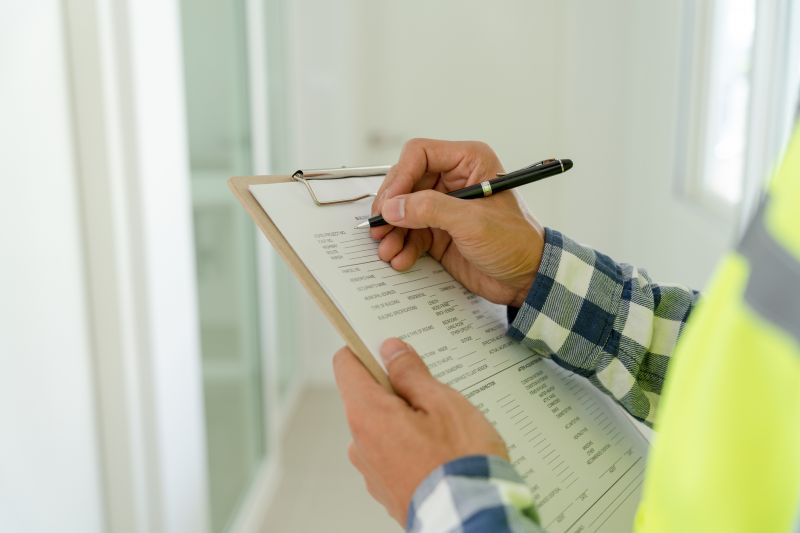
Clearly describe your plumbing inspection project to help compare contractors, verify experience, and set expectations effectively.
- Inspect plumbing fixtures for leaks, corrosion, or damage that may require attention.
- Verify that the plumbing system complies with local building codes and standards.
- Check for proper water pressure and flow throughout the plumbing network.
- Ensure that all connections, joints, and fittings are secure and free of leaks.
- Assess the condition of pipes for signs of deterioration, rust, or blockages.
- Review the scope of work with service providers to confirm coverage of necessary inspections and repairs.
Compare local contractors to clarify scope, verify experience, and set clear expectations in writing.
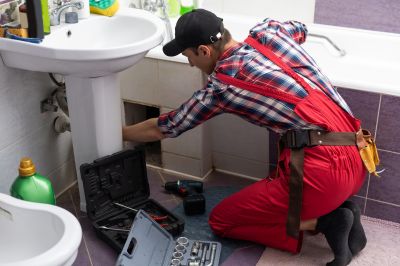
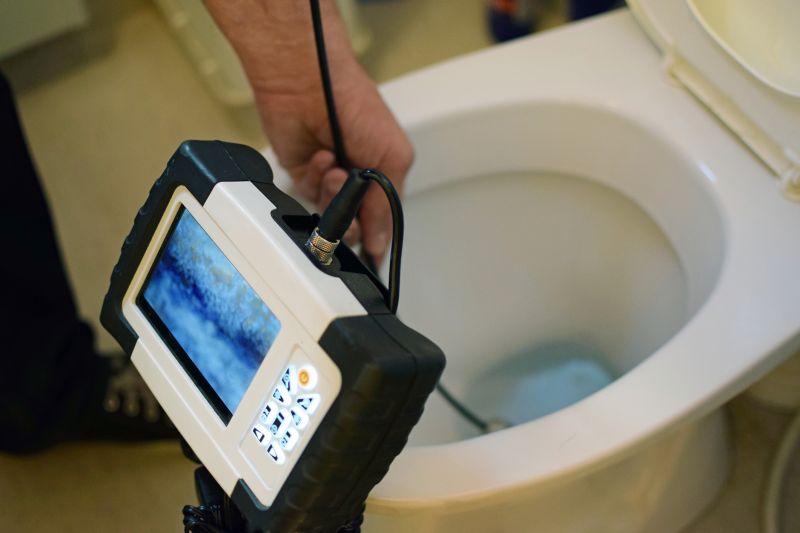
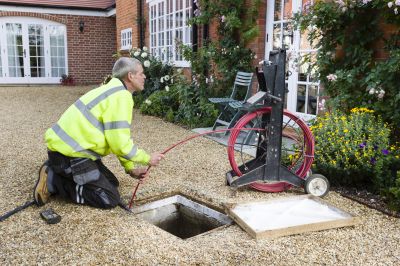
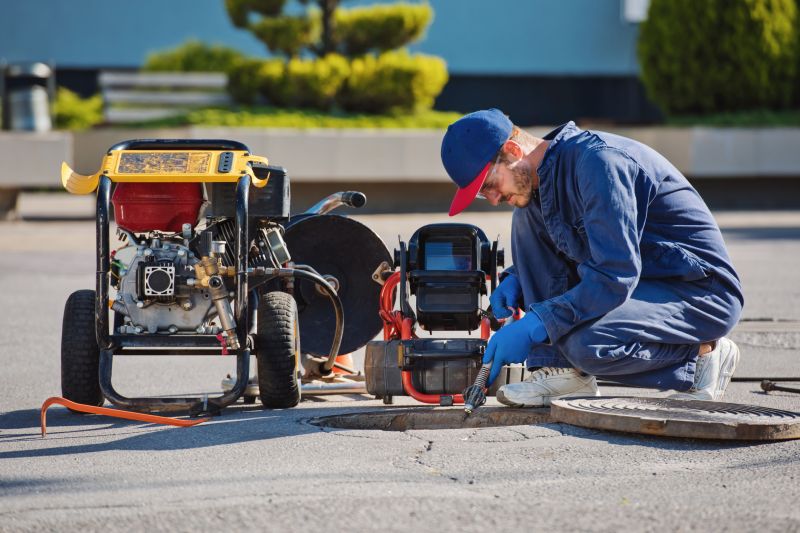
Learn how to compare local contractors, define the scope, verify experience, and set clear expectations in writing.
- Scope Definition - Clearly outline the specific plumbing systems and components that require inspection.
- Experience Verification - Confirm that service providers have relevant experience with plumbing inspections in similar projects.
- Inspection Criteria - Specify the standards and codes that the inspection should adhere to during the assessment.
- Documentation Requirements - Determine the documentation or reports that the contractor should provide upon completion.
- Scope Changes - Establish procedures for handling any modifications or additional inspection needs during the project.
When evaluating contractors for a plumbing inspection, it’s important to consider their experience with similar projects. Homeowners should inquire about how long the service provider has been performing plumbing inspections and whether they have worked on properties comparable in size, age, or complexity. A contractor with a proven track record in similar settings is more likely to understand potential issues specific to the home and deliver thorough, reliable assessments. This background can provide confidence that the contractor is familiar with the common challenges and standards relevant to the inspection.
A clear, written scope of work is essential for setting expectations and ensuring all parties are aligned. Homeowners should seek service providers who can articulate what the inspection will cover, including specific components such as pipes, fixtures, vents, and drainage systems. A detailed scope helps prevent misunderstandings and provides a basis for evaluating the thoroughness of the inspection. When reviewing proposals or descriptions, look for clarity and completeness, ensuring that the contractor’s services will address all relevant aspects of the plumbing system.
Verification basics involve understanding how contractors approach their work and confirm findings. Homeowners should ask how the service provider plans to verify the condition of plumbing components, such as visual inspections, pressure tests, or other methods. It’s also helpful to understand whether the contractor documents their findings clearly, including notes or reports that specify issues or concerns. A professional contractor will have a systematic approach to verification, ensuring that the inspection results are accurate, comprehensive, and useful for decision-making.
When comparing options for plumbing inspection services, it’s important to assess the experience, scope, and verification methods of each contractor. Homeowners should review the details of what each service provider offers, how thoroughly they plan to examine the plumbing system, and the clarity of their communication. Evaluating these aspects helps ensure the selected contractor is capable of delivering a comprehensive inspection that aligns with the homeowner’s expectations. Remember, this process is about gathering information to make an informed choice, not about selecting based solely on cost or availability.
Ask contractors to provide written scope of work to ensure clear expectations and consistent project understanding.
- Scope of Inspection - What specific plumbing systems and components will the contractor evaluate during the inspection?
- Experience and Expertise - How long has the contractor been performing plumbing inspections, and do they have relevant experience with similar projects?
- Inspection Process - What methods and tools will the contractor use to conduct the plumbing inspection?
- Scope Definition - How will the contractor clarify what is included and excluded in the inspection service?
- Written Documentation - Will the contractor provide a detailed report outlining their findings and recommendations?
What should I consider when choosing a contractor for a plumbing inspection? It's important to compare the experience and reputation of local contractors, review their scope of work, and ensure expectations are clearly outlined in writing to avoid misunderstandings.
How can I verify a contractor’s experience with plumbing inspections? You can ask for details about their previous work, request references or reviews, and confirm that they have relevant experience handling similar inspection projects in your area.
Why is it important to define the scope of the plumbing inspection in writing? Having a written scope helps clarify what services will be provided, sets expectations, and provides a record to prevent potential disputes or misunderstandings later on.
What questions should I ask a contractor before hiring for a plumbing inspection? Inquire about their experience, the specific procedures they follow, what areas they will inspect, and how they document their findings to ensure comprehensive coverage.
How can I compare different contractors for plumbing inspection services? Review their qualifications, scope of work, reputation, and written proposals to assess which service providers align best with your project needs.
What role does communication play when working with a plumbing inspection contractor? Clear communication ensures that both parties agree on the scope, expectations, and documentation, leading to a smoother inspection process and fewer surprises.
Understanding the importance of selecting the right contractors for plumbing inspections is essential for ensuring the job meets expectations. Visitors have learned how to compare different service providers, define the scope of work clearly, verify their experience, and set expectations in writing. These steps help create a transparent process that can lead to a more informed decision when choosing a local contractor for plumbing inspection services.
To find the best match for a plumbing inspection project, visitors are encouraged to use the quote form to explore and compare options available in their area. Connecting with local contractors who can handle the job allows for a tailored approach that aligns with individual needs and project requirements. Taking the time to review and compare service providers helps ensure the right fit for the task at hand.